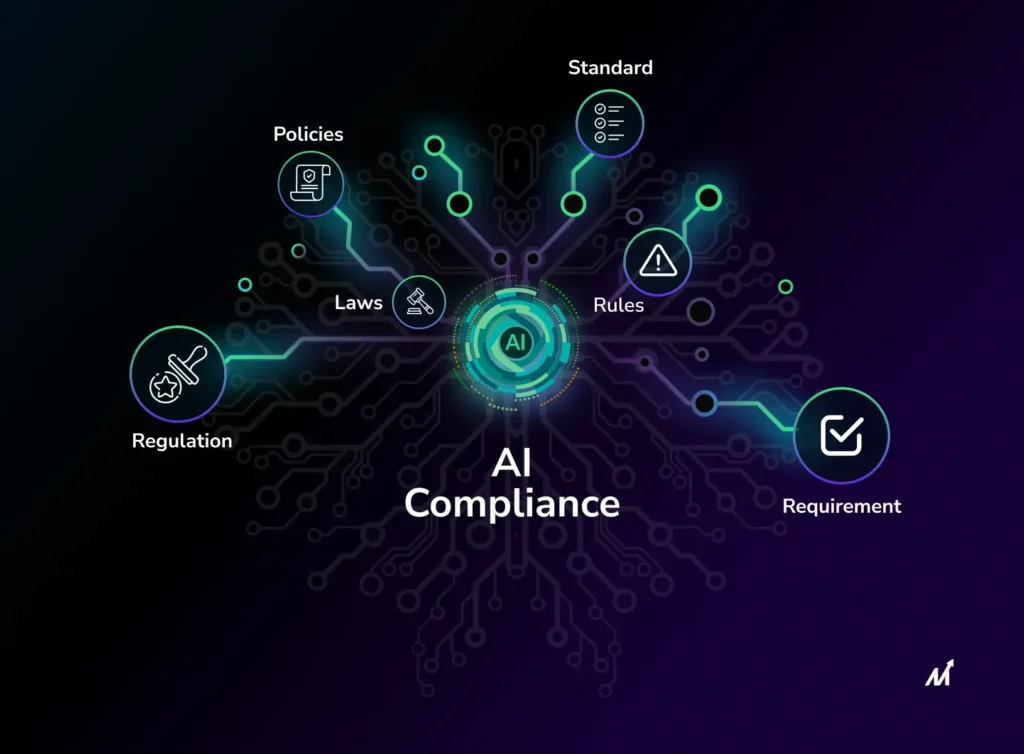
Remote work is no longer a trend; it is the operational norm for many businesses. While distributed teams offer flexibility, they also bring serious regulatory risks. According to the EY 2023 Mobility Re‑imagined Survey, 71% of organizations lack confidence in their ability to manage compliance and other risks in remote work environments. From GDPR to HIPAA and SOC 2, managing regulatory compliance has become more complex as data flows across multiple networks, devices, and locations.
Traditional manual audits or static compliance tools are no longer enough. The need for AI-powered security and employee monitoring software is growing fast. These solutions help teams proactively detect, report, and mitigate risks in real-time.
This blog will guide you on how AI can automate compliance monitoring for remote teams.
The Compliance Gaps Remote Teams Cannot Afford
Remote-first environments often lack the physical controls available in offices. As a result, businesses face challenges like:
- Inconsistent implementation of clean desk policies
- Lack of audit trails for device or data access
- Delays in flagging risky behavior or policy violations
- Shadow IT and unauthorized tools going unnoticed
Breaches involving shadow data, unmanaged files outside official data oversight, cost an average of $5.27 million, or 16 % more than breaches without such data exposure.
The longer compliance issues go undetected, the higher the financial and reputational damage. That’s why automation is no longer optional.
How AI-Powered Compliance Monitoring Works
AI-powered employee monitoring software can reduce compliance risks by continuously tracking activities, devices, and data interactions across remote setups. Here’s how it works:
- Real-Time Detection of Non-Compliance
AI models scan user behavior, access logs, and software usage in real time. If a team member uploads sensitive data to a personal drive or disable endpoint protection, the system flags it immediately. This kind of real-time detection is nearly impossible with manual reviews.
- Pattern Recognition and Anomaly Alerts
AI can identify behavioral anomalies based on historical data. If an employee suddenly accesses client databases during non-working hours or from a new device, AI detects the deviation and notifies the compliance officer.
- Automated PII Masking and Clean Desk Enforcement
Advanced tools now offer automatic PII masking in screenshots, recordings, or logs. Others use webcam feeds to ensure a clean desk policy is followed during work hours, without storing sensitive visuals.
- Intelligent Audit Trails
AI creates tamper-proof, time-stamped logs of all actions. These audit trials make it easier to respond to regulatory queries or internal investigations. Some tools even generate compliance reports automatically for GDPR, HIPAA, or ISO 27001 readiness.
Benefits of AI-Driven Compliance Monitoring
AI-enhanced monitoring is not just about surveillance; it’s about building a culture of accountability and reducing manual overhead.
- Reduced Human Error
Manual compliance processes often involve repetitive checks, human memory, and document handling, all of which can lead to oversight. AI introduces consistency and automation by continuously monitoring systems and workflows, ensuring that nothing falls through the cracks. This significantly minimizes the chances of accidental non-compliance across departments.
- Faster Risk Resolution
When AI systems detect anomalies or policy breaches, alerts are generated instantly. These alerts can trigger automated workflows that notify responsible departments like IT, HR, or Legal. This real-time action reduces the average time resolution and helps prevent issues from escalating into regulatory violations or security breaches.
- Scalability for Global Teams
With remote teams often spread across continents, ensuring consistent compliance across jurisdictions is challenging. AI tools adapt to local compliance frameworks, offering language support, time zone awareness, and jurisdiction-specific reporting features. This allows enterprises to manage compliance seamlessly, regardless of team size or location.
- Improved Employee Trust
Modern AI compliance solutions prioritize ethical monitoring practices. They operate during designated work hours and offer transparency by informing employees about what is tracked and why. This transparency fosters a culture of accountability and reassures teams that surveillance is meant for compliance, not control.
Where AI-Powered Compliance Matters Most
- BPO and Customer Support Teams
Handling customer data across geographies means GDPR, CCPA, and PCI-DSS all apply. AI ensures agents follow clean desk and data sharing protocols. - Healthcare Providers with Remote Admin Teams
Remote assistants or billing teams must comply with HIPAA. AI ensures sensitive patient data isn’t downloaded or shared outside secure platforms.
- Software Teams in Regulated Industries
Developers accessing financial or personal records during dev cycles must log every access. AI automates these logs and flags unusual activity. - Legal and Compliance Teams
AI frees compliance staff from manual monitoring, allowing them to focus on analysis and strategy.
Choosing the Right AI-Powered Employee Monitoring Software
When selecting a platform, B2B buyers should consider:
- Real-Time Detection and Alerts
The software must support real-time detection of policy violations and offer customizable alerts. Timely notifications help teams respond quickly to compliance issues and prevent escalation before it becomes costly or legally risky.
- Automated Compliance Reports
Look for platforms that automatically generate audit-ready reports tailored to regulations like GDPR, HIPAA, and SOC 2. This reduces the need for manual reporting and ensures consistency across compliance documentation.
- Support for PII Masking and Secure Audit Trails
A strong compliance tool should include features like PII masking, end-to-end encryption, and immutable audit trails. These safeguards reduce data exposure risks and simplify forensic analysis when needed.
- Jurisdiction-Level Compliance Capabilities
The solution should support location-specific laws and offer built-in compliance presets. Whether your team is in the EU, the US, or APAC, the tool must adapt to local data regulations effortlessly.
- Role-Based Access Controls
To protect sensitive data, the software should offer granular access permissions. Managers, auditors, and IT personnel should only access data relevant to their role and jurisdiction.
- Transparent Employee Notifications
Ensure the platform informs employees of monitoring practices. Transparent consent mechanisms and ethical usage guidelines build trust and reduce resistance to compliance programs.
Make sure the solution aligns with your legal obligations and internal security posture.
Conclusion
In a remote-first world, compliance needs to be proactive, not reactive. AI-powered employee monitoring software like wAnywhere offers the scale, speed, and accuracy that manual tools cannot. It helps remote teams stay secure, accountable, and audit-ready, without micromanagement.
For managers and B2B decision-makers, now is the time to invest in smarter, AI-driven compliance infrastructure. Because in 2025 and beyond, staying compliant will be a real-time challenge.
More Stories
Schutts Industrial Heavy Duty Gas Struts for Every Application
How Enterprises Are Transforming Document Management with Integrated Portals
How EMCD Works and Why It’s Profitable for Miners